
After finishing The Four Seasons Season 2, I honestly think the finale perfectly captures what makes the series work so well. It is funny, messy, emotional, and painfully relatable all at once.
This season had a difficult task from the start because Nick’s shocking death at the end of Season 1 changed the entire dynamic of the group. His car accident on New Year’s Eve left every character emotionally shaken, and Season 2 spends most of its time exploring how people continue living after losing someone who shaped their lives for decades.
Rather than turning the show into a nonstop tragedy, the writers lean into something much more realistic. Everyone is grieving differently while also trying to manage marriages, insecurities, aging, parenthood, and their own personal regrets.
By the finale, all those emotional threads finally come together.
Danny and Claude’s Story Becomes the Emotional Center

The biggest question heading into Episode 8 revolves around Danny and Claude.
Throughout the season, their relationship experiences constant pressure as both characters struggle with uncertainty about the future. Parenthood becomes a particularly emotional topic, especially as the couple starts questioning whether they are truly ready for such a massive life change.
The finale finally addresses whether Claude and Danny move forward with having a baby, and I thought the show handled it surprisingly well.
Instead of presenting a perfectly clean or overly dramatic answer, the series keeps things grounded in realism. Their storyline becomes less about achieving some ideal version of adulthood and more about understanding what kind of life actually makes them happy.
That emotional honesty has been one of the show’s biggest strengths since the beginning, and Season 2 doubles down on it.
Anne Finally Confronts Her Identity Crisis
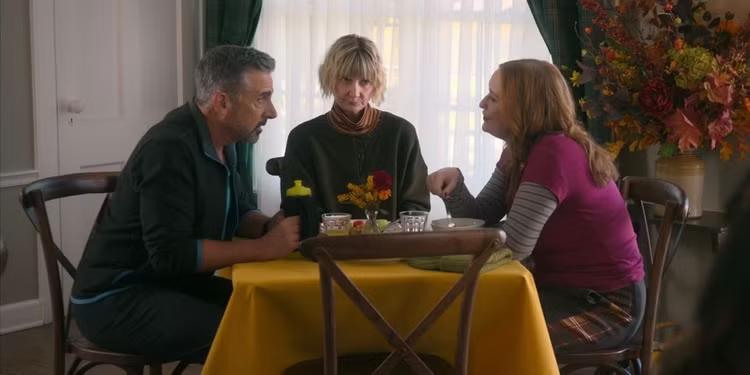
Kerri Kenney-Silver probably delivers some of the strongest emotional material this season through Anne.
After Nick’s death, Anne spends much of the season feeling emotionally disconnected and directionless. There is this constant sense that she no longer recognizes the version of herself she became over the years.
The finale finally pushes her toward an important realization.
Without spoiling every detail, Anne’s ending feels less like a dramatic reinvention and more like the beginning of emotional acceptance. I appreciated that the writers avoided forcing a perfectly tied-up conclusion. Her story instead acknowledges how difficult it can be to rediscover purpose later in life.
That theme connects heavily to the entire season.
Kate and Jack Continue Facing Marriage Realities

Tina Fey and Will Forte continue anchoring the show as Kate and Jack, whose long marriage remains one of the series’ most realistic relationships.
Season 2 constantly examines how even stable couples can quietly drift into routines and emotional distance over time. By the finale, both characters are forced to confront uncomfortable truths about what they still want from each other and from themselves.
I actually liked that the show avoids huge soap-opera twists here. Their storyline succeeds because it feels recognizable. The tension comes from small emotional fractures instead of exaggerated drama.
Ginny’s Future Changes the Group Dynamic
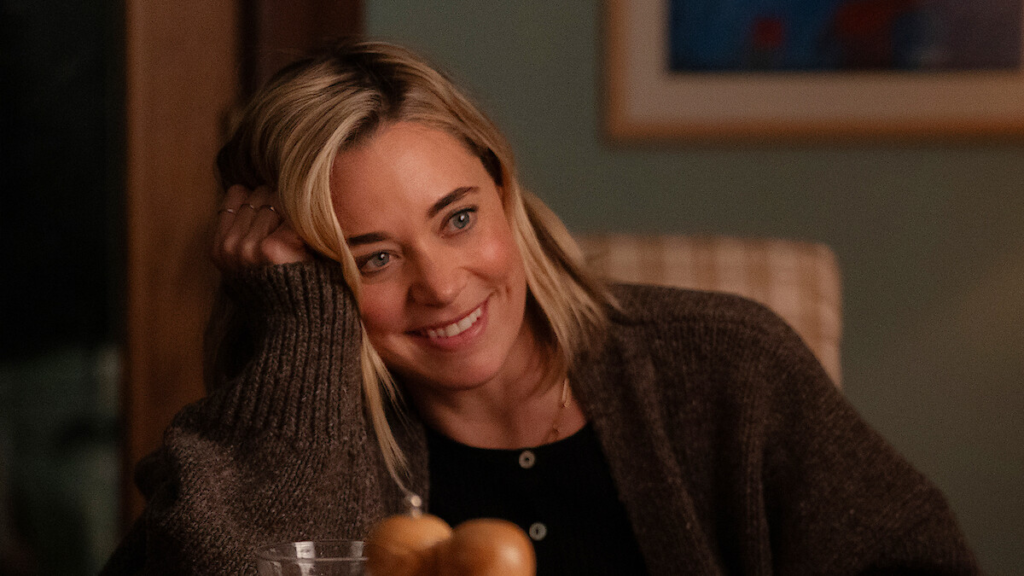
Ginny’s pregnancy continues influencing nearly every relationship this season.
Since she is carrying Nick’s child, her presence becomes a constant reminder of the group’s shared grief and unresolved emotions. At times, she almost feels like the bridge between the past and future.
The finale uses her storyline carefully, especially when exploring how the group processes moving on without feeling guilty for it.
The Italy Setting Gives the Finale a Bittersweet Feel
One thing I especially loved this season was how the changing travel locations mirrored the emotional journeys of the characters.
From the Jersey Shore to Upstate New York and eventually Italy, the settings constantly reinforce themes of transition and self-reflection. The Italy sequences in particular give the finale a bittersweet atmosphere that fits the show perfectly.
There is sadness underneath everything, but there is also warmth and acceptance.
The Four Seasons Still Understands Middle Age Better Than Most Shows
Co-showrunner Tracey Wigfield recently described the series as being about “middle-aged people still figuring things out,” and honestly, that idea defines the entire finale.
What makes The Four Seasons stand out is that nobody suddenly becomes a perfect version of themselves by the end. These characters are still confused, still insecure, and still making mistakes.
But they are trying.
That is ultimately what makes the Season 2 ending feel satisfying. It understands that growth does not always look dramatic. Sometimes it simply means continuing forward after heartbreak and learning how to live with change.
New on Netflix covers the latest Netflix releases, reviews, and streaming updates with a clear, independent voice. This publication is not affiliated with Netflix or its parent company.