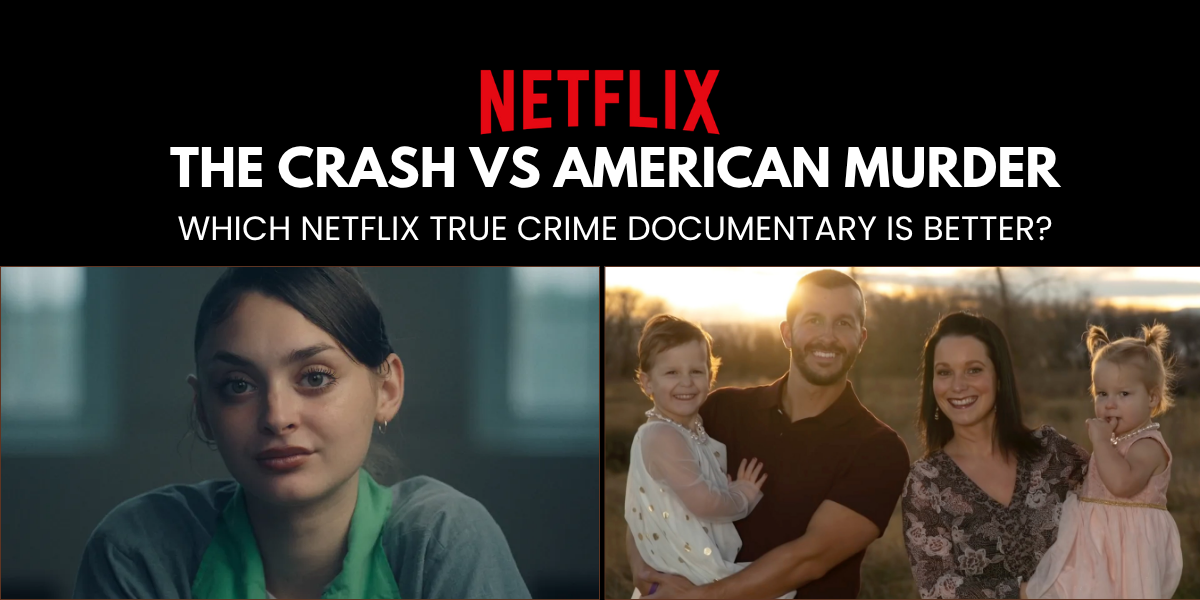
At first glance, The Crash and American Murder: The Family Next Door seem remarkably similar. Both use digital evidence, real footage, and intimate personal records to reconstruct devastating crimes. But after watching both documentaries, I came away with a key difference: The Crash is primarily interested in proving intent, while American Murder is focused on preserving the memory of a victim.
That distinction shapes everything from storytelling and pacing to emotional impact.
Two Tragedies, Two Very Different Approaches
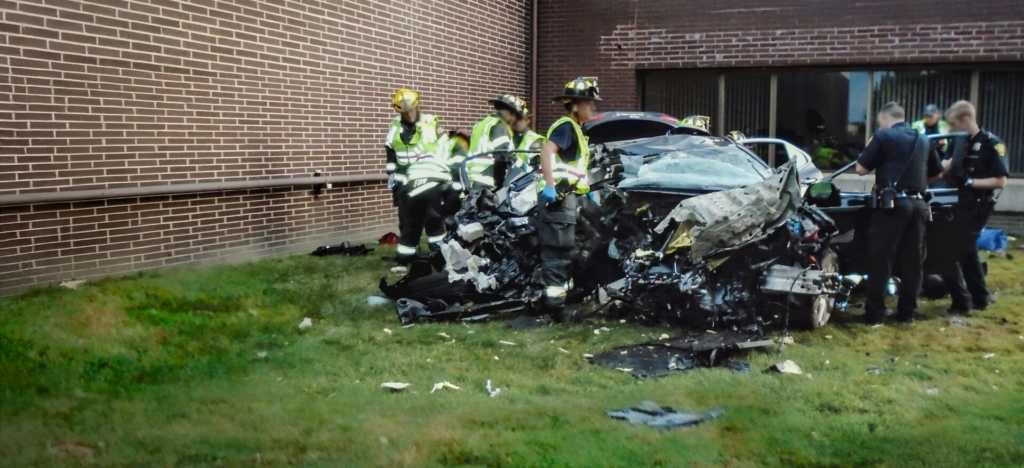
Netflix has built some of the most influential true crime documentaries of the past decade, and both The Crash and American Murder: The Family Next Door demonstrate why.
Each film explores a real-life tragedy that shocked communities and generated national headlines. Both rely heavily on digital evidence, including text messages, videos, and personal communications.
Yet the filmmakers approach their stories from completely different directions.
Quick Comparison
| Category | The Crash | American Murder |
|---|---|---|
| Release Year | 2026 | 2020 |
| Runtime | 94 Minutes | 83 Minutes |
| Central Figure | Mackenzie Shirilla | Shanann Watts |
| Main Question | Accident or intentional act? | What happened to Shanann and her children? |
| Structure | Investigation-driven | Victim-driven |
| Emotional Outcome | Debate and division | Grief and outrage |
The Biggest Difference: Who Gets the Spotlight?
The first thing I noticed is that the documentaries choose very different protagonists.
In The Crash, much of the narrative revolves around Mackenzie Shirilla. The documentary spends significant time examining her behavior, relationships, digital footprint, and personal explanations.
Viewers are repeatedly asked to evaluate her actions and intentions.
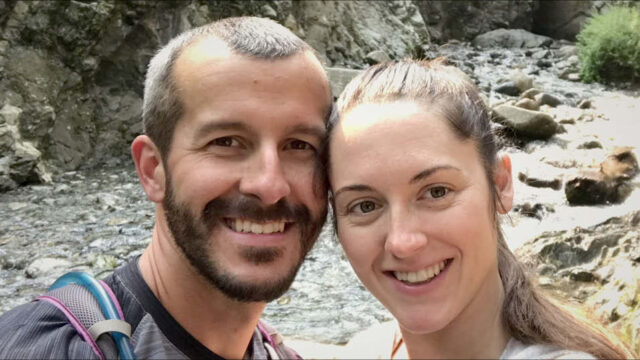
By contrast, American Murder deliberately places Shanann Watts at the center of the story.
Even though Chris Watts committed the murders, the documentary consistently returns to Shanann’s voice through social media posts, videos, text messages, and personal recordings.
As a result, one film focuses on understanding the accused, while the other focuses on remembering the victim.
How the Mystery Works in Each Film
Another major difference is how information is revealed.
The Crash: A Question of Intent
The documentary opens with a known event: a deadly crash.
The mystery isn’t what happened.
Instead, the film asks whether the crash was accidental or intentional.
Every major piece of evidence contributes to that central debate:
- Vehicle data
- Text messages
- Phone records
- Testimony
- Courtroom proceedings
The audience spends most of the runtime weighing competing explanations.
American Murder: A Question of Truth
In American Murder, the mystery unfolds differently.
The story begins with a disappearance.
For much of the opening section, viewers watch events unfold almost in real time through police footage, social media posts, and family communications.
The tension comes from discovering who is telling the truth.
Once Chris Watts emerges as the killer, the documentary shifts away from mystery and toward emotional devastation.
Digital Evidence Drives Both Stories
One reason both films feel so modern is their reliance on technology.
Traditional true crime documentaries often depend on retrospective interviews.
These films do something different.
They allow viewers to experience the investigation through the same digital trail investigators followed.
How Each Documentary Uses Technology
| Evidence Type | The Crash | American Murder |
|---|---|---|
| Text Messages | Relationship dynamics and intent | Marriage troubles and warning signs |
| Social Media | Online identity and behavior | Family life and personal history |
| Video Footage | Investigative and courtroom material | Home videos and police footage |
| Digital Records | Vehicle and phone data | Phone, video, and location evidence |
What makes this approach effective is that viewers aren’t simply being told what happened.
They’re watching the evidence unfold firsthand.
Why the Emotional Impact Feels Different
Perhaps the most important distinction between the documentaries is the emotional response they create.
The Crash Encourages Debate
After finishing The Crash, I found myself thinking about evidence, legal standards, and intent.
The film actively invites discussion.
Questions linger after the credits roll.
Viewers often leave with differing interpretations of the case, which helps explain why audience reactions have been so polarized.
American Murder Creates Grief
American Murder has a very different goal.
The documentary spends so much time establishing Shanann Watts as a person that the emotional outcome feels almost inevitable.
Rather than asking viewers to debate guilt, it asks them to witness loss.
The result is less controversial but often more emotionally overwhelming.
Storytelling Style: Investigation vs. Memorial
At a filmmaking level, the documentaries almost belong to different subgenres.
| Storytelling Focus | The Crash | American Murder |
|---|---|---|
| Primary Goal | Examine intent | Humanize victims |
| Narrative Engine | Evidence analysis | Emotional connection |
| Perspective | Accused-centered | Victim-centered |
| Viewer Experience | Questioning | Mourning |
This difference explains why the films can feel similar on the surface while producing completely different viewing experiences.
Which Documentary Is More Effective?
I don’t think the answer depends on filmmaking quality.
Instead, it depends on what you’re looking for.
If you enjoy documentaries that force you to analyze evidence and wrestle with difficult questions, The Crash is likely the stronger choice.
If you’re looking for a deeply emotional story that prioritizes victims and family impact, American Murder remains one of Netflix’s most powerful true crime releases.
Both succeed because they understand their purpose and commit fully to it.
Final Thoughts
Although The Crash and American Murder cover very different crimes, they represent two of the most influential approaches in modern true crime storytelling.
One investigates intent.
The other preserves memory.
One asks viewers to debate.
The other asks them to grieve.
Together, they show how digital evidence, personal records, and real-world footage have transformed true crime documentaries from simple retellings into immersive experiences that feel as though events are unfolding in real time.
For Netflix viewers fascinated by the intersection of crime, technology, and human behavior, both documentaries deserve a place on your watchlist, even if they leave you with very different emotions once the credits roll.
New on Netflix covers the latest Netflix releases, reviews, and streaming updates with a clear, independent voice. This publication is not affiliated with Netflix or its parent company.